
Best DIY Mini Split Heat Pumps in 2026: Zone Air vs MRCOOL DIY Gen 4 for Warranty, Efficiency & Installation
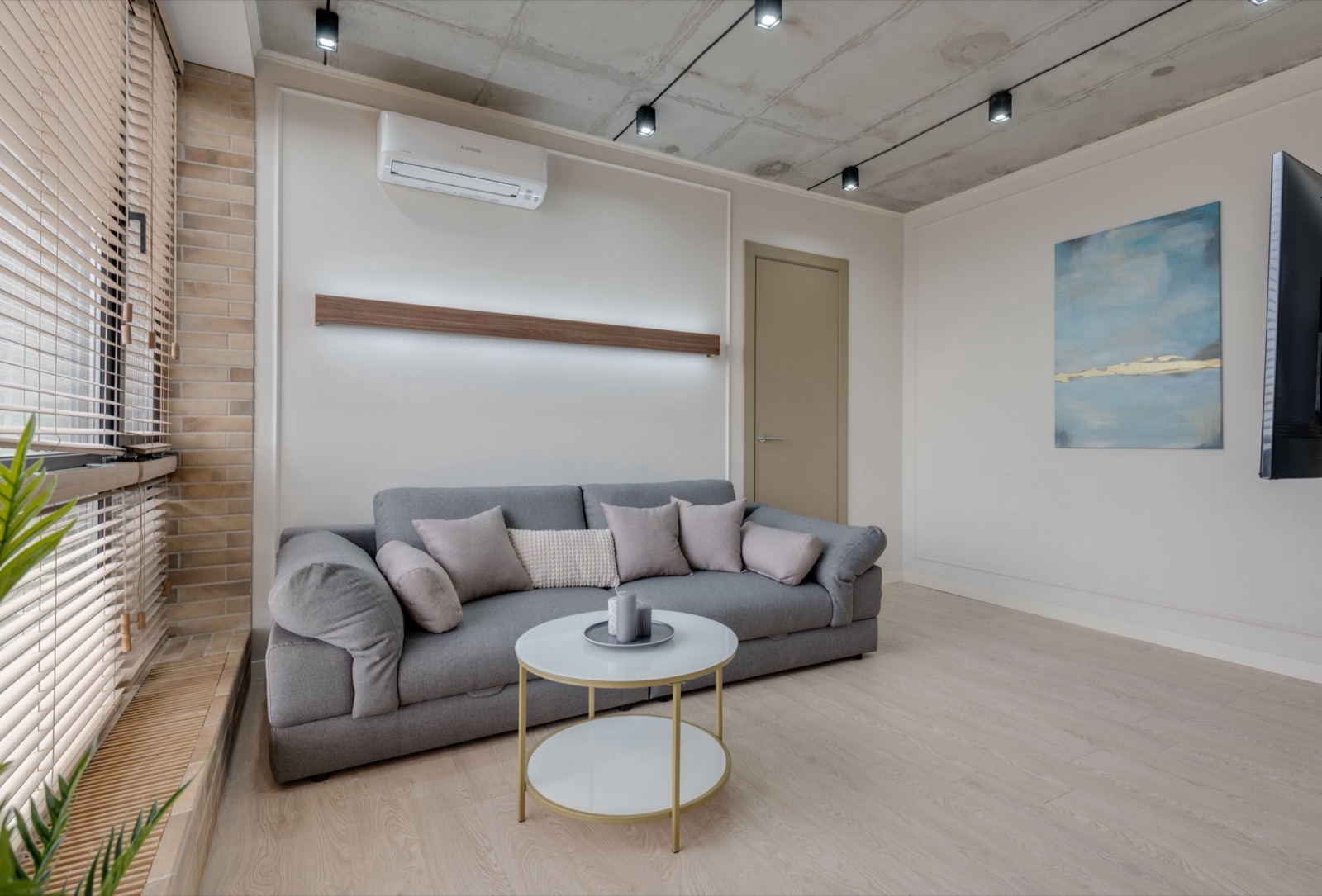
The best diy mini split heat pump in 2026 for most homeowners is Zone Air: 24 SEER2 on its 230V units, pre-charged line sets custom cut from 5 to 75 feet, and a 5-year parts / 7-year compressor warranty that installing it yourself does not void. MRCOOL DIY Gen 4 is the system most people compare it with. Both promise homeowner-friendly installation without professional tools, but they differ in how they handle warranty claims, how efficient they are, how the line sets are built, and what the total cost of ownership looks like. This guide lists the top DIY and DIY-adjacent options, then shows how Zone Air vs MRCOOL DIY Gen 4 stack up head to head so you can pick the right system for your home.
How We Chose the Best DIY Mini Split Heat Pumps for 2026
This article is about true DIY mini split heat pumps you can buy in 2026, with Zone Air and MRCOOL DIY Gen 4 getting the most detailed comparison. We also include some secondary brands for context, plus some premium systems that are not DIY so you have something to compare to.
The ranking puts first the systems that a homeowner can self install without voiding the full warranty. That alone knocks out most ductless heat pump brands on the market.
Here are the evaluation factors we used:
-
DIY-valid warranty terms and brand reputation - Does diy installation void the coverage? What do you actually hear in customer reviews about real-world support?
-
Measured efficiency - The important specs are SEER2 for cooling efficiency and HSPF2 for heating efficiency, both under the 2023 M1 test procedure. Higher SEER2 and HSPF2 ratings mean you use less electricity.
-
Ease of installation - Whether the line set comes pre charged, whether you can get custom lengths, whether there are plug-in options, and whether you need a vacuum pump or manifold gauges.
-
System flexibility - Multi zone system capability, indoor unit types and voltage options (115V vs 230V).
-
Total cost of ownership - It's not just the price on the tag, but also energy savings, support quality and warranty handling over 10–15 years.
Best 5 DIY Mini Split Heat Pumps for 2026 (Quick Ranking)
These picks represent the most relevant DIY or DIY-leaning options in 2026 for homeowners who are also looking at the MRCOOL DIY Gen 4. Zone Air is ranked number one overall because of final assembly, testing, and inspection in the USA, direct warranty handling, efficiency up to 24 SEER2 on 230V, and plug-in kits. Comparisons focus primarily on 9,000–18,000 BTU single zone and 2–3 zone multi-zone condensers, since those cover the majority of residential projects. MRCOOL DIY is not ranked here. It gets its own head-to-head section below.
1. Zone Air DIY Mini Splits (Best Overall DIY in 2026)
Zone Air does final assembly, testing, and inspection in the USA and ships pre charged line sets custom cut to the length you need, up to 75 feet in a single run. Headline specs include up to 24 SEER2 on 230V units, 115V plug-in options for easy installation, and a 4.8/5 average across 157 verified customer reviews.
Why Zone Air Stands Out
Zone Air is the only DIY mini split brand compared here that does final assembly, testing, and inspection in the USA (as of November 2026), so every system is checked before it ships. That's why the company can stand behind its warranty.
Zone Air is also the only DIY mini split brand that does custom line set fabrication. It can make a line set to the exact length you need, any whole foot from 5 to 75 ft, in a single run. MRCOOL reaches longer runs by joining an extension line set to the first one with a coupler. Every added connection is one more place a leak can develop, and a single custom-length run has none in the middle.
Zone Air is the only DIY mini split that lets you mix wall-mount, ceiling cassette and concealed ducted units on one outdoor unit (as of November 2026). MRCOOL's ducted DIY option is a central air handler sized for a whole home. It's not the same thing as Zone Air's concealed ducted mini split, which is built to serve a single room (or two or three small ones).
On price, Zone Air is often 15–30% cheaper than MRCOOL while delivering higher efficiency on comparable systems.
Best For
-
You'll want the easiest true DIY install, especially with 115V plug-in kits that let you skip electrical panel work in many cases
-
Buyers who care most about long-term reliability, strong warranty support that the manufacturer handles directly, and high efficiency that goes up to 24 SEER2 on 230V
-
People who have an awkward line set run of up to 75 feet and want one single factory-charged run instead of having to pile modular extensions on top of each other
Key Strengths
-
Final assembly, testing, and inspection in the USA; 4.8/5 average across 157 verified customer reviews
-
Custom pre charged line sets with no extra extension couplers, designed to cut down on leak risks compared to MRCOOL's coupler approach.
-
Highest SEER2 of the pre-charged quick-connect DIY brands compared here - Zone Air offers 24 SEER2 on its 230V 9,000–12,000 BTU wall units (MRCOOL's best single-zone is 23.6), lowering operating costs as electricity prices rise
-
Multi-zone flexibility with mixed indoor unit types (wall units, 4-way ceiling cassette, concealed ducted) on the same outdoor condenser
-
Zone Air is the only brand that offers a plug-in outlet solution for homeowners who want a system that plugs into an outlet. Zone Air's plug-in kit for its 115V DIY systems lets you plug the system into an outlet. The plug-in kit combined with the 115V system makes Zone Air's the easiest systems to install on the market.
-
Zone Air ships every system direct to you. All systems come pre-inspected, and if you have a warranty claim or need to return or exchange something, you deal with Zone Air directly - there's no distributor runaround. You can return uninstalled units within 30 days of delivery, and shipping is free to the lower 48.
Possible Limitations
-
Sold online (direct at zone-air.com, plus through distributors and Amazon) instead of in local stores. Larger systems arrive by LTL freight
-
Current multi-zone offerings top out at 2–3 zones per outdoor unit
-
Ultra-cold climate heating below −13°F may still need supplemental heat
2. Perfect Aire Quick-Connect (Best Niche Pick)
Perfect Aire is a smaller quick connect DIY brand that offers pre charged line sets on select SKUs. It gives you an option that is friendly to DIY with fewer configurations and less flexibility than Zone Air, but it can be a good brand for simple projects at price points that are aggressive.
Why It Stands Out
Perfect Aire sometimes shows up with strong discounts through regional distributors or online stores. It offers true DIY-style installation on certain single-zone kits, and you don't need a vacuum pump or tools to handle refrigerant to do it.
Best For
-
You want pre-charged convenience but you aren't worried about mixing indoor unit types, and you're keeping an eye on cost
-
Simple projects for a single room or a garage where the product family of the brand and expanding to multi-zone aren't priorities
Key Strengths
-
Pricing that is competitive on select single zone kits from 9,000 to 18,000 BTU, including some options at 12,000 BTU
-
Decent efficiency levels that work for secondary spaces
-
Some availability through suppliers in your region and through online stores
Possible Limitations
-
Warranty terms vary by generation. Older stock that is still at retail can carry coverage that is much shorter, so check the model before you buy
-
Limited multi-zone or mixed indoor unit capabilities compared with Zone Air
-
Smaller support teams and fewer online resources to help with troubleshooting and to get replacement parts
3. Pioneer & Senville (Best With a Pro, Not True DIY)
Pioneer and Senville are popular "DIY-marketed" ductless mini split brands that in practice need pro tools or a licensed installer to keep warranties valid. They are here because you often cross-shop them with Zone Air and MRCOOL. Cooper & Hunter is in this same category. Cooper & Hunter has professional installation required for warranty coverage.
Why They Stand Out
Pioneer's Quantum Hyperformance series hits up to 25 SEER2, and Senville's Arctic Series gets up to 25.5 SEER2. That is strong for what you pay. Both of them deliver cold climate heating that is competitive with the premium brands.
Best For
-
You plan to hire a licensed HVAC technician and want strong performance at moderate prices but do not need true diy capability
-
Colder-climate users who put hyper heat performance ahead of warranty coverage for self install
Key Strengths
-
Wide product range, from budget options to hyper heat series for primary heating in colder regions
-
Good value per BTU when you figure in pro install labor and long-term reliability
-
Brands that are familiar and widely reviewed in the ductless heat pump market
Possible Limitations
-
Senville's warranty voids if installed by the homeowner - a problem for true DIYers. Pioneer offers a 1-year warranty unless registered within a week of purchase, which surprises many buyers
-
Flare connections, deep vacuum work and refrigerant charge procedures are required, making them a poor pick for a homeowner without HVAC tools and training
-
Support and claims often go through third-party sellers or online stores, which adds complexity when you need to get a licensed tech or replacement parts
4. Premium Brands (Mitsubishi, Fujitsu, Daikin) - Best Non-DIY Benchmark
Mitsubishi systems, Fujitsu and Daikin are not DIY systems, but they serve as performance and reliability benchmarks. You need a licensed contractor or certified dealer network (such as Mitsubishi's Diamond Contractors) to install them.
Why They Matter in the Comparison
These brands set the ceiling for what top-tier performance looks like. Mitsubishi's top units achieve up to 33.1 SEER2 efficiency, with ultra-quiet operation and extended warranties. Mitsubishi units maintain 100% capacity at 5°F - a standard that most DIY brands can't match. Understanding these numbers helps frame how Zone Air and MRCOOL DIY stack up on efficiency relative to pro-installed air conditioning and heating systems.
Best For
-
Homeowners who don't want any diy part in it and will pay higher up-front cost for long warranties and dealer support
-
Extreme cold climates where you need to maintain full heating capacity below −13°F for primary heating
Key Strengths
-
Highest efficiencies on the market and extremely quiet operation, ideal for bedrooms and studios
-
10–12 year parts and compressor warranty when installed by certified dealers
-
There are robust service networks for long-term maintenance and repairs
Possible Limitations
-
Not diy friendly. Self install will usually void the warranty completely
-
A lot higher installed cost vs Zone Air or MRCOOL DIY - often 2–3x for the same capacity
-
Installation schedules are slower due to contractor schedules and the cost of labor
Quick Comparison of the Best DIY Mini Split Heat Pumps (2026)
This section is meant to be a fast scan for readers who are comparing Zone Air vs MRCOOL DIY Gen 4 first, and then looking at alternatives after that
-
Zone Air DIY - Best overall in 2026 for most homeowners. Highest efficiency of the pre-charged DIY brands compared here (24 SEER2 on 230V), final assembly, testing, and inspection in the USA, direct-to-consumer warranty, custom line sets, and plug-in 115V options.
-
Perfect Aire Quick-Connect is the best niche pick for bargain hunters who find strong regional or online deals. It works best for people who want a simple single zone kit.
-
Pioneer and Senville are best if you are okay with a pro install and you still want strong performance at moderate prices. This is not recommended if you are a strict DIYer.
-
Mitsubishi, Fujitsu and Daikin are the best non-DIY standard. They give you top performance and ultra-cold reliability when a certified pro installs them.
MRCOOL DIY is compared with Zone Air point by point in the next section.
Of the brands compared here, Zone Air and MRCOOL DIY provide full diy-valid warranties. You do not need a licensed HVAC technician to install the equipment. Pioneer, Senville, Cooper & Hunter and the premium brands either void your warranty or limit your warranty coverage a lot if you install it yourself as a homeowner.
Zone Air vs MRCOOL DIY Gen 4: Warranty, Efficiency & Installation Compared
This is the core of the article. It is a head-to-head comparison for 2026 buyers who are trying to decide between Zone Air and MRCOOL DIY Gen 4. MRCOOL's 4th Gen DIY line is being closed out. It is being replaced by the DIY 5th Gen, which uses R-454B, so the MRCOOL figures below are for the 5th Gen unless noted.
MRCOOL DIY at a Glance
MRCOOL's DIY line is a pre-charged quick connect system. MRCOOL's DIY 5th Gen 9K is rated 23.6 SEER2 and the 12K 23.5, both 115V and hardwired. The 18K is 22.5, the 24K 22.7 and the 36K 18. MRCOOL says "no special tools or training are necessary to install," and its Quick Connect line sets mean you don't need a vacuum pump or gauges. On multi-zone, MRCOOL's DIY condensers run up to 3 heads (18K), 4 (27K), 5 (36K) or 6 (48K and 55K) from one outdoor unit. MRCOOL's standard DIY 5th Gen is rated to about −13°F, and higher-tier DIY models are rated lower. MRCOOL sells through dealers and distributors rather than direct to the public.
Warranty & Support - Direct or Through a Distributor
Zone Air keeps its warranty structure simple: 5 years parts and 7 years compressor for the original purchaser, with no registration deadline and installing it yourself does not void it. All claims, returns and replacement parts are handled directly by Zone Air - no go-between distributors. With a 4.8/5 average across 157 verified customer reviews, Zone Air gets compliments for the help reviewers got from support. One person has said: "Great customer service and support. Worked with me to help me order over the phone."
MRCOOL's DIY 5th Gen carries the same main term: a 5-year parts warranty and a 7-year compressor warranty, with no registration required. MRCOOL also has a paid Care Program you can sign up for. It costs $14.99 a month and gives you an extended limited lifetime compressor replacement.
The larger friction point is that MRCOOL is a more retail-availability-oriented company. It has no direct-to-consumer option, so you have to buy through a third party (distributors), which means you deal with a third party for warranty, replacement parts, returns and exchanges. MRCOOL's Trustpilot profile shows 3.0/5 across 94 reviews (November 2026), and the themes that come up again and again in reviews include slow or no support response, warranty denials on self-installed units, and shipping charges on warranty replacement parts.
For a high-ticket purchase like a heat pump system, direct-to-manufacturer support removes a layer of doubt that matters to you when something goes wrong three years into ownership.
Efficiency & Operating Costs (SEER2 & HSPF2)
On 230V 9,000–12,000 BTU wall units, Zone Air's systems hit 24 SEER2, with 115V models at 23 SEER2. MRCOOL's DIY 5th Gen reaches 23.6 SEER2 on its 9K and 23.5 on its 12K (both 115V), so MRCOOL's 115V units edge out Zone Air's 115V units, while Zone Air's 230V units are the most efficient of the two brands. When you get to the larger MRCOOL single-zone units, they drop to 22.7 SEER2 at 24K and 18 at 36K.
A lot of 2025–2026 models now use refrigerants with a lower global warming potential, like R 454B or R-32. Zone Air already uses R 454B in all of its models, and MRCOOL's newer 5th Gen models have moved over too. This matters for future regulatory compliance and it can affect whether you qualify for state-level utility rebates. Note that the federal 25C heat pump tax credit ended at the end of 2025, so utility rebates at the state and local level are now the main incentive to look into.
Here's what the efficiency difference actually means in practice: in a 500 square foot room running a 12,000 BTU unit through a full cooling season, a 24 SEER2 Zone Air system uses about 17% less electricity than a 20 SEER2 unit at the same capacity. With 2026 electricity prices at 18+ cents per kWh in a lot of markets, that gap adds up to several hundred dollars over a 10–15 year lifespan. It compounds as utility rates keep rising.
Installation Experience and Line Sets
Zone Air installation starts with a pre charged custom-length line set that arrives cut to the exact length you requested (any whole foot from 5 to 75 feet, in a single run). There are no extra quick connect unions beyond the factory connections, and every system is inspected before it goes out. For 115V models, the plug-in kit lets you connect to a standard outlet on a dedicated circuit, so you can potentially skip all electrical panel work. You'll still need to drill a 3-inch wall penetration, mount the backplate, hang the indoor unit, run the line set to the outdoor unit, and handle condensate drainage.
MRCOOL installation uses fixed-length pre charged line sets (11.5, 16, 25, 35 and 50 ft) that you can extend by joining sections with line set couplers, up to 75 ft per indoor unit. Each extension adds a pair of joints, and every added connection is one more place where a leak can develop. Pre-charged line sets cannot be cut to length, and MRCOOL's manual has you keep the extra line coiled behind the condenser. Electrical requirements still apply for all systems - MRCOOL's 115V units are hardwired to a dedicated circuit, so you'll need panel work or an electrician.
For both brands, you won't need a vacuum pump, manifold gauges, micron gauge or any equipment to handle refrigerant. The main difference is that Zone Air has custom fabrication, which means fewer connections and a cleaner run, while MRCOOL's modular approach relies on standard lengths and couplers.
System Flexibility: Units, Voltage, Zones
Zone Air allows mixing indoor unit types on one outdoor unit - wall mount, ceiling cassette and concealed ducted mini splits designed for single-room service. As of November 2026 it is the only DIY mini split that blends all three on one outdoor unit, and the only DIY concealed ducted mini split system on the market. Its ceiling cassette sends air in four directions from a 22-inch square chassis, so it can sit in the middle of a room. With both 115V and 230V options, Zone Air includes plug-in 115V single zone kits that are genuinely diy friendly.
MRCOOL's DIY multi-zone puts together wall-mount heads and its OuttaSight ceiling cassette, a 50-inch single-slot cassette that sends air one way. MRCOOL does not have a concealed-duct DIY unit for sale. Its ducted DIY option, the Hybrid Air Handler, is a central unit sized for a whole home (up to 1,500 sq ft), not individual rooms. MRCOOL's multi-zone condensers run up to 4–6 indoor units on the larger sizes, all from one outdoor condenser.
In short:
-
For flexible room-by-room comfort adjustments, plug-in convenience and mixed head types (including concealed ducted) on a 2–3 zone condenser, Zone Air is ideal
-
MRCOOL's larger DIY condensers run 4–6 heads, with electrical that is hardwired and line sets that are fixed in length and joined by couplers
Total Project Cost - Equipment, Labor and Long-Term Value
Zone Air is often 15–30% cheaper than MRCOOL while it still gives you higher efficiency on similar systems. The Zone Air 12,000 BTU 230V single zone kit runs $2,049.99 (November 2026). At 115V, the Zone Air 12K was $1,999.99 compared to about $2,359 for MRCOOL's 12K 115V at a major home-improvement store (September 2026), which is about 15% less.
With both brands, you save a lot on labor costs compared to pro-only systems. Since all the refrigerant work is handled at the factory, you can save $1,500–$3,000 per zone compared to hiring a licensed contractor to do a pro install with Mitsubishi systems or similar premium equipment. With Zone Air's plug-in models, you may save an extra few hundred dollars in places where you don't need an electrician.
Long-term cost factors that matter:
-
A higher SEER2 rating means you will pay less for electricity every cooling season
-
Fewer joints in the line set means there are fewer places where a leak can start over 10–15 years
-
Direct warranty handling (Zone Air's model) reduces the risk of left-behind systems with no clear support path
How to Choose the Right DIY Mini Split in 2026
Choosing the right system comes down to four main things: how many zones you need, what your electrical situation is, what your climate is like, and how comfortable you are with the warranty.
Picking by Number of Rooms and Zones
A single zone 9,000–12,000 BTU Zone Air or MRCOOL unit can handle bedrooms, offices and garages up to about 500 sq ft. A dual- or tri-zone Zone Air system works well for 2–3 adjacent rooms, ADUs or a living area plus bedroom split, and you can start with one head and add a second or third later on a spare port. With a multi-zone from Zone Air, you can connect up to three rooms to one outdoor unit. MRCOOL's larger DIY multi-zone condensers have enough ports to run four to six heads.
Things like room size and local climate affect how much BTU capacity you need from a heat pump. Getting the right size instead of going too big is crucial for good heating and cooling performance - a unit that is too big short-cycles, dehumidifies poorly and wears out faster.
Picking by Electrical Setup (115V vs 230V, Plug-In vs Hardwired)
Older homes with limited breaker space may favor 115V plug-in Zone Air systems where code allows. The plug-in kit combined with the 115V system is what makes Zone Air's the easiest systems to install on the market. You still need a dedicated circuit and GFCI/AFCI compliance where required by local code, and never an extension cord.
Detached garages and shops are often easiest to serve with 230V circuits for longer runs and higher BTU loads. At 18K and 230V, Zone Air's largest single-zone unit has the power for bigger spaces. MRCOOL's 18K, 24K and 36K single-zone units run on 208/230V and need to be hardwired. No matter which brand you choose, you may still need an HVAC tech or licensed technician for electrical panel modifications depending on your area.
Picking by Climate and Usage (Supplemental vs Primary Heat)
In warm climates, what you'll mainly care about is the SEER2 rating and how well the unit handles humidity. With a maximum outdoor temperature of 131°F, Zone Air is rated to cool at that level, while MRCOOL publishes 122°F. In cold climates, what you want to focus on is the HSPF2 rating and the low-ambient heating ratings that tell you how the unit does at heating in cold weather.
Zone Air heats down to −13°F, and that is the same floor as MRCOOL's standard DIY 5th Gen. The higher-tier MRCOOL DIY models are rated lower than that. When temperatures get truly extreme, the right answer is still the traditional premium brands. At 5°F, Mitsubishi units still have 100% capacity, and no diy system has a rating that matches that mark.
For most of the continental US, Zone Air or MRCOOL DIY is going to work fine as a primary heat source. You'd only need backup heat on the most extreme nights.
Picking by Warranty Confidence and Support Style
If you want one company to call for everything - warranty claims, parts, returns, exchanges - Zone Air's direct-to-consumer model is built for that. With MRCOOL and the smaller brands, you're buying through retailers and distributors, so there is a third party that gets added to every claim.
Before you purchase, take the time to read through the full warranty documents. Look for whether diy is allowed, what the registration requirements are, and what is left out when it comes to labor, shipping and refrigerant charge.
Which DIY Mini Split Is Best for You?
Here's the quick recommendation based on what your priorities are:
-
Choose Zone Air DIY if you want the best all-around 2026 diy mini split with top-tier efficiency (24 SEER2 on 230V), final assembly, testing, and inspection in the USA, direct warranty support, and the easiest install - including plug-in options. It is a good brand for the vast majority of your projects.
-
Choose Perfect Aire if you find a sharp discount on a project that is just a simple single zone and you are comfortable with getting less support from a smaller brand.
-
Choose Pioneer or Senville if you are hiring a licensed HVAC technician and you want strong performance but you do not need a warranty that is diy-valid.
-
Go with a premium non-DIY brand (Mitsubishi, Fujitsu, Daikin) if you live in extreme cold climates or you want whole-home comfort that is dealer-installed, quiet to run and comes with longer warranties.
Final Thoughts
2026 is a strong year for diy mini split buyers, with more efficient, easier-to-install options than ever before. Zone Air and MRCOOL DIY Gen 4 are the two true DIY systems compared most closely here, and they are built differently.
Zone Air is the best overall choice for most homeowners prioritizing ease of install, energy efficiency, and dependable warranty execution - all backed by final assembly, testing, and inspection in the USA and direct support. MRCOOL's larger DIY condensers run more heads per outdoor unit.
Before you purchase, confirm your load calculations, electrical capacity, and climate needs. Read warranty details carefully, focusing on diy eligibility and claim processes. And view your mini split as a 10–15 year investment where efficiency, custom line sets, and solid support materially affect lifetime cost. The cheapest unit on the market is rarely the cheapest system to own.