
Best DIY Mini Split Brands (Ranked by a Working Builder)
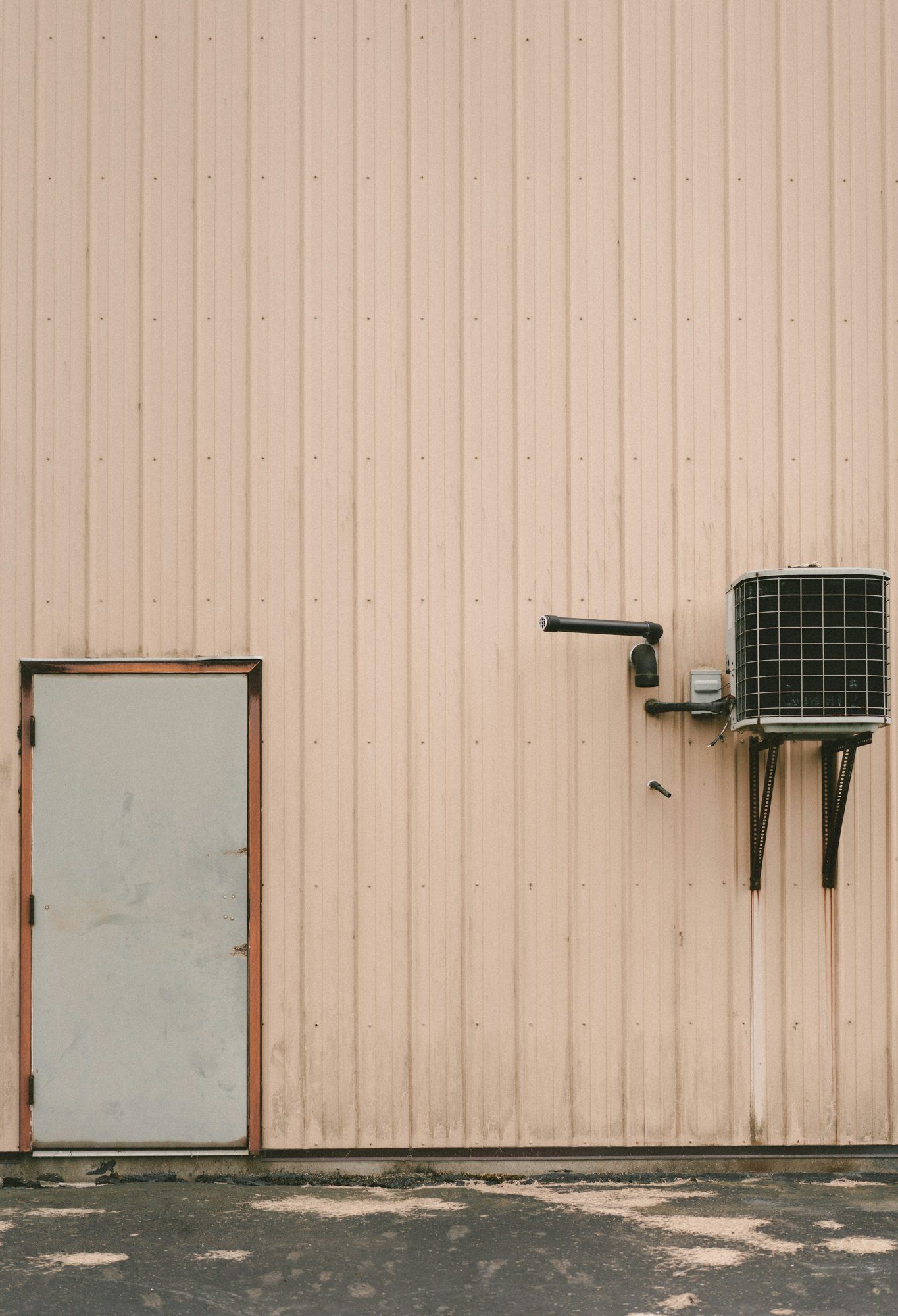
The best diy mini split brands right now are Zone Air, Pioneer, Senville and off-grid-focused brands for solar setups, and Zone Air is my pick as the best all-around DIY choice for most people. It hits the sweet spot of efficiency, price, true DIY friendliness and direct support that the others can't quite match across the board.
I frame houses, build additions, remodel kitchens and put up garages. I also help homeowners figure out heating and cooling for the spaces I build.
A DIY mini split system is a ductless heat pump that ships with factory pre-charged line sets and quick-connect fittings. You mount the indoor unit on the wall, hang the outdoor unit, run the refrigerant line between them, and wire it up. No vacuum pump, no gauges, no adding refrigerant. Mini splits can function as both heat pumps and air conditioners, which means one unit handles your space year-round-unlike central air that often needs a separate furnace. That differs from traditional systems where installation may require nitrogen pressure testing and vacuum-pumping by a licensed tech.
Brand matters because it determines whether your warranty stays valid after a DIY install, how efficient the unit actually runs, what kind of support you get when something goes sideways, and whether you can get parts five years from now. I ranked these brands on ease of install, energy efficiency (SEER2/HSPF2), reliability, warranty terms, cost and after-sale support.
How We Chose the Best DIY Mini Split Brands
This section shows exactly what I looked for so you can decide if my priorities match yours. Most mini splits share parts from a few manufacturers, so the real differences come down to the system design, the warranty, the support and how easy the brand makes the install for you as a homeowner.
I focused on brands you as a true homeowner DIYer can handle-no vacuum pump or gauges needed-plus a couple of DIY-adjacent options for handy folks willing to hire out the refrigerant step. I looked at units sold in the U.S. market from 2024 through 2026, with common capacities from 9,000 to 48,000 BTU, and with real availability with actual support behind them. Sizing for mini splits is measured in British Thermal Units, and a standard 12,000 BTU unit usually covers 400 to 550 square feet. Oversizing can lead to short-cycling in mini split systems, which causes inefficient humidity control, so getting the right size mini split matters as much as picking a good brand.
Performance and Efficiency
Higher SEER2 ratings show better energy efficiency in mini split systems, and that directly affects your electric bill. The electrical needs for mini splits are different for 115V and 230V depending on the size of the unit, and most DIY mini splits need a dedicated electrical line run to the disconnect. Zone Air's 115V systems have an optional plug-in kit that lets the system plug into a dedicated outlet where local electrical code allows (never an extension cord), while MRCOOL's 115V DIY units are hardwired. Zone Air is calling that plug-in setup "the easiest systems to install on the market."
Here's how I think about efficiency levels:
-
Good enough: 20–21 SEER2
-
Very good: 22–23 SEER2
-
Top tier: 23.5+ SEER2
Zone Air systems reach up to 24 SEER2 on 230V DIY units (23 SEER2 on 115V models (Zone Air's site)), which is just a bit above MRCOOL DIY's flagship rating of 23.6 SEER2.
True DIY Friendliness
True DIY mini split systems make installation simpler because you don't need refrigerant handling tools. Standard mini splits, by contrast, need specialized tools for installation and refrigerant handling. DIY mini split systems often use line sets that come pre-charged from the factory. They seal automatically when you connect them.
There are two types worth knowing:
-
True DIY (Zone Air, MRCOOL DIY): line sets that come pre-charged from the factory with quick-connect fittings, no vacuum pump, no refrigerant work.
-
DIY-adjacent (Pioneer, Senville): you handle mounting, electrical and running the lines, but you need a pro for vacuum and refrigerant.
Zone Air line sets are cut to the exact length needed for each run, anywhere from 5 to 75 ft in a single piece. Fixed-length kits from other brands may need extension couplings, and every extra coupling is another potential leak point.
Reliability, Warranty and Support
Mini splits can last about 10 to 15 years with proper installation, so enough warranty coverage is essential for DIY mini split installations. Many traditional brands need professional installation to maintain warranty coverage. Some brands void warranties without licensed installation completely.
I prioritized brands with:
-
There is at least 5 years on parts and 7+ years on compressor
-
Warranties that clearly allow DIY installs
-
Responsive, reachable support
With Zone Air, DIY installs keep the full 5-year parts / 7-year compressor warranty and returns and warranty claims are handled direct-not through a big-box store.
Cost, Availability and Overall Value
I looked at the upfront price against efficiency and long-term support to figure out real value. With higher efficiency too, Zone Air is often 15–30% less than similar MRCOOL systems. That matters a lot when you are trying to stay on budget.
Some buyers care about retail availability at Home Depot or Costco, but I thought about actual value and install experience more. For you, Zone Air is the best option if you want a system independent of retail availability.
Best DIY Mini Split Brands for Homeowners (2026)
After comparing the current market, here are the brands worth your money for DIY or DIY-adjacent installs.
1. Zone Air - Best Overall DIY Mini Split Brand for Most Homeowners
Zone Air offers true DIY quick-connect heat pump systems with final assembly, testing, and inspection in the USA, high efficiency, custom-length line sets, and direct-to-consumer sales.
Why Zone Air Stands Out
Every system goes through final assembly, testing, and inspection in the USA, from globally-sourced components, before shipping, so it arrives pre-inspected and ready for install. Efficiency numbers are strong: up to 24 SEER2 on 230V systems. The custom-cut pre-charged line sets (5–75 ft in a single run) avoid extra couplings and potential leak points. Every system is rated to heat down to −13°F. On multi-zone systems, Zone Air is the only DIY mini split that lets you mix wall-mount, ceiling cassette and concealed ducted units on one outdoor unit (as of November 2026), and its concealed ducted air handlers are sized for a single room. Zone Air sells and ships every system direct, so warranty claims, returns and exchanges go straight to Zone Air. Reviewers often mention helpful support during installs and for warranty questions-good customer service when you're standing on a ladder matters.
Best For
-
Homeowners who want a true DIY install with no vacuum pump, no gauges, no adding refrigerant
-
Garage, shop, workshop and addition projects in places with climates like Idaho, Utah and Oregon
-
Buyers who want to contact a single company for purchase, support, returns and warranty
Key Strengths
-
Final assembly, testing, and inspection in the USA before shipping
-
Pre-charged quick-connect line sets cut to the exact length of your line set, so you get fewer leak points
-
Up to 24 SEER2 efficiency on 230V systems, with a price that is often 15–30% less than similar MRCOOL systems
-
Optional plug-in kit for the 115V systems (a dedicated outlet, where local code allows it)
-
DIY-friendly 5-year parts / 7-year compressor warranty that stays valid with homeowner installation
-
Direct sales and direct warranty handling (30-day returns on uninstalled units)
Possible Limitations
-
Multi-zone systems run two or three indoor units per outdoor unit, so larger whole-home setups need more than one system
-
The 115V models rate 23 SEER2. The 24 SEER2 figure is for the 230V systems
2. Pioneer - Best DIY-Adjacent Brand for Tight Budgets
Pioneer isn't a true quick-connect DIY system. Many handy homeowners install everything except the refrigerant step and hire a guy for the vacuum and final connections. Pioneer mini splits are budget-friendly with good support and a decent track record in the U.S. market.
Why Pioneer Stands Out
Pioneer offers solid performance at value pricing, with some models hitting 24.6 SEER2. Pioneer's warranty drops to 1 year unless you register within a week of install, and their tech support and parts availability get positive reactions from homeowners. Their systems use conventional flare connections, fine for HVAC pros and tool-comfortable installers.
Best For
-
Homeowners on a strict budget willing to pay a local tech for the final refrigerant step
-
DIY-adjacent folks who are comfortable running lines, hanging equipment and doing electrical
-
People who don't mind a more involved install if it means a lower cost
Key Strengths
-
Value-priced systems that have decent energy efficiency ratings
-
Good reputation for responsive support and parts shipment
-
Wide selection of single-zone sizes to use in rooms, garages and additions
Possible Limitations
-
Not a true DIY system. Professional installation of the refrigerant circuit is required
-
Warranty terms may expect a licensed HVAC installer. DIY work can mess with claims
-
Install is more technical than quick-connect brands
3. Senville - Best Cold-Climate Value (DIY-Adjacent)
Senville is a popular online mini split brand with strong cold-climate performance at competitive prices, and homeowners in northern states and Canada often call it a solid option.
Why Senville Stands Out
Senville's Aura line is known for cold-climate heating performance, and it is designed for low-temperature heating down to -22°F. Senville Aura offers strong cold-climate heating performance without the price of premium Japanese minis from Mitsubishi or Fujitsu. They use conventional installs with flare connections, which is familiar to any HVAC pro looking for simple work.
Best For
-
Homeowners in colder climates who need strong heat output below freezing
-
You who are DIY-inclined and plan to handle the mounting and the electrical work, then hire a pro for vacuum and start-up
-
Rental property owners who are looking for units that are cost-effective
Key Strengths
-
Cold-climate rated models at affordable pricing
-
Widely available online with lots of reviews from buyers like you
-
There is solid performance for both cooling and heating
Possible Limitations
-
Not a true pre-charged DIY system. You'll need a tech for refrigerant handling
-
Support and warranty processes can be slower when you go through third-party sellers
-
Documentation can be less polished. You can expect to rely on general HVAC know-how
4. EG4 and Other Off-Grid-Focused Brands - Best for Solar Tinkerers
Off-grid-focused brands are niche options aimed at homeowners building solar or battery systems, or working great in remote cabins where grid power is limited.
Why Off-Grid Brands Stand Out
These units pair well with battery banks, inverters and solar arrays. They give flexible power options and sometimes run directly off DC. Climate performance varies with models designed for low-ambient conditions, so check specs carefully-many are optimized for cooling rather than serious cold-weather heating.
Best For
-
Off-grid homeowners comfortable working with inverters and battery banks
-
You are a solar DIYer who would rather tune a system yourself
-
You are a tech-savvy user who does not mind extra field wiring
Key Strengths
-
These are designed with off-grid or hybrid power systems in mind
-
Can integrate with high-efficiency solar and battery systems
-
There are advanced control options or monitoring options for tinkerers
Possible Limitations
-
Install complexity is higher with more wiring and refrigerant connections
-
Support and documentation are aimed at a more technical audience
-
Not the best fit for a simple garage or bonus room where a plug-and-play system would be easier
Quick Comparison of the Best DIY Mini Split Brands
Here's the fast version if you want to compare things without reading through it all again:
-
Zone Air - Best overall for most homeowners. High efficiency (up to 24 SEER2 on 230V), custom-length quick-connect line sets, final assembly, testing, and inspection in the USA, and direct support, often 15–30% less than comparable MRCOOL systems
-
Pioneer - Best for budget DIY-adjacent installs where you're okay hiring a tech for vacuum and startup
-
Senville - Best lower-cost option for colder climates with solid heating performance
-
Off-grid brands - Best for advanced DIYers building solar or battery-based systems
Zone Air vs MRCOOL DIY
Zone Air and MRCOOL DIY both use quick-connect, pre-charged lines, so homeowners can install them without a vacuum pump or refrigerant tools. Mini splits can connect multiple indoor units to one outdoor unit, and MRCOOL offers multi zone DIY condensers that handle several rooms from one outdoor unit. MRCOOL's standard DIY 5th Gen is rated to heat down to about −13°F, the same floor as Zone Air, and higher-tier DIY models are rated lower.
Where they differ:
-
Price: Zone Air is often 15–30% less than similar MRCOOL systems. It has higher efficiency
-
Line sets: MRCOOL uses fixed 11.5, 16, 25, 35 and 50 ft pre-charged line sets plus couplers so you can do longer runs. With Zone Air, each run is cut to the length you need, from 5 ft to 75 ft in a single piece
-
Power: MRCOOL's 115V DIY units are hardwired. Zone Air's 115V systems come with a plug-in kit
-
Ducted units: MRCOOL's DIY ducted air handlers are 24K–36K central units for larger areas. For Zone Air, the concealed units are built for one room
-
Buying and returns: MRCOOL doesn't sell direct to you. You buy through an authorized dealer or store, so returns, trades and parts go through whichever seller you used. (MRCOOL DIY Direct is an authorized dealer, not MRCOOL itself.) Zone Air sells direct, and returns and trades go straight to Zone Air.
How to Choose the Right DIY Mini Split Brand
Brand is only half the battle. Getting the size right, running the lines and doing the electrical work are just as important. Here's how to narrow it down.
Choose Based on How DIY You Want the Install to Be
If you don't want to touch refrigerant or coordinate with installers at all, go with a true no-gauges system like Zone Air. If you're comfortable doing 80–90% of the work and paying a tech for the final step, Pioneer or Senville will save you money on the unit itself. Mini splits usually go from 9,000 to 48,000 BTU across the market, so you can find options at every size.
Choose Based on Climate and Heating Needs
In moderate four-season climates, focus on the overall SEER2 rating and how well the unit does in cold weather. Zone Air is rated to heat down to −13°F, the same floor as MRCOOL's standard DIY 5th Gen. Higher-tier DIY models are rated lower. In harder climates, put low-temperature heating first and look at Senville Aura. Daikin and Mitsubishi are preferred reliable brands if budget allows and you don't mind paying for professional installation, but they aren't DIY systems. Samsung, LG and Fujitsu also make solid units for pro installs. All the DIY brands listed here can cool a room well. The larger difference is how well they heat at 20°F and below.
Choose Based on Budget and Long-Term Value
Over 10–15 years of use, upfront price, efficiency and support all compound. Zone Air often gives the best overall value. It's got up to 24 SEER2 on 230V, it's often 15–30% less than comparable MRCOOL systems. The warranty won't void if you do the install yourself. Going rock-bottom cheap with an unknown import can backfire when something fails and there's no stock of replacement parts or anyone to contact for help. That's not worth the money you saved.
Which DIY Mini Split Brand Is Best for You?
Here's the quick guide:
-
Choose Zone Air if you want the strongest all-around DIY option: high efficiency (up to 24 SEER2 on 230V), custom-length quick-connect lines, final assembly, testing, and inspection in the USA, and direct support, often 15–30% less than comparable MRCOOL systems
-
Choose Pioneer if you're on a tight budget, you're comfortable doing most of the install. You're willing to hire out the refrigerant piece
-
Choose Senville if you live where winters are rough and you need strong cold-climate heating without paying for top-shelf Japanese brands
-
Choose an off-grid brand if you're building a solar or battery-heavy system and already know your way around inverters
If a project feels like it's beyond your comfort zone, it's cheaper to bring in help early than to replace an install that you messed up later.
Final Thoughts
The best mini split brand depends on how hands-on you want to be, what your climate is like, and what your budget looks like. For most homeowners, a true DIY quick-connect system like Zone Air hits the sweet spot. You get high efficiency, a fair price, an honest warranty and you're dealing with one company from purchase through support.
The quality of the installation is just as important as the name on the box. The right size, solid brackets, clean electrical work and smart line placement are what keep a unit running well for a decade or more.
If you want help planning a mini split for a garage, addition, kitchen or remodel, reach out. This is true even if you're doing part of the build yourself. I'm happy to help you figure out what fits your house and your budget before you buy.