
Most Affordable Mini Split Systems in 2026 (Real Deals & How to Choose)

Finding the most affordable mini split in 2026 doesn't have to be hard. Whether you're cooling a single room or heating an entire house, ductless mini splits are a popular choice for both cooling-only and heating and cooling applications. This guide cuts straight to the options that deliver real comfort without draining your wallet.
Quick Picks: The Most Affordable Mini Splits You Can Buy Right Now
If you just want the cheapest good options, here's your answer-first summary. These models represent some of the best value you can buy in a mini split right now, covering a variety of needs and budgets.
- Senville LETO 9,000 BTU - Often found at a price as low as $629.96 online, this 115V unit delivers around 20 SEER2 efficiency and includes a heat pump for year-round comfort. Covers rooms up to roughly 350 sq ft. Quiet operation often below 42 dB means it won't disrupt your space.
- DELLA Motto 12,000 BTU - Typically priced in the $700–$900 range, this 230V unit hits approximately 20–21.5 SEER2. It can provide both heating and cooling for medium rooms up to about 550 sq ft, making it a great all-season selection.
- MRCOOL Advantage 5th Gen 9,000 BTU - Usually landing around $750–$850, this model offers solid 20+ SEER2 ratings and a remote-controlled wall mount design. Runs on 230V and includes a heat pump.
- Mirage Polaris 18,000 BTU - A mid-budget option around $950–$1,200 that covers larger areas up to roughly 800 sq ft, with 19–21 SEER2 efficiency. A solid plan for open floor layouts that need more capacity.
- DELLA Umbra 2-Zone System (9K + 12K heads) - Still under roughly $1,500 for equipment, this multi-zone system handles two rooms from a single outdoor compressor. Some mini splits can support multiple indoor air handlers like this, making whole-area coverage more affordable.
The most affordable mini split should be judged on total cost of ownership - purchase price, installation, and power use over its lifetime - not just the sticker price.
What "Most Affordable" Really Means for Mini Splits
A cheap mini split with the lowest price tag isn't always the smartest buy. Long-term energy costs, reliability, and quality of after-sale support all factor into what "affordable" truly means.
- Upfront equipment price for ductless mini splits ranges widely. Budget-friendly systems typically range from $400 to $600 for the simplest single-room models, while mid-tier units sit between $700 and $1,300.
- Installation costs can significantly increase total project costs. Professional install in 2026 runs roughly $500–$2,500 depending on complexity, line set length, electrical panel upgrades, and your region.
- Operating costs are tied directly to your unit's SEER2 rating and local electricity rates. A more energy efficient model costs more upfront but saves you money every month it's running.
- Maintenance and repair costs matter. No-name ultra-cheap units may lack parts availability and warranty support, meaning a minor repair could cost more than the savings you achieved at checkout.
- Think in 10–15 year timeframes. Well-maintained ductless mini splits can last about 10 to 15 years, so the right unit pays for itself many times over.
Price Snapshot: Typical 2026 Mini Split Price Ranges
Here are general real-world price bands from U.S. online and retail sources as of late 2026. Most mini splits range from 9,000 to 24,000 BTU, and prices scale accordingly.
- Entry-level single-zone 9,000–12,000 BTU heat pumps: about $550–$900. These cover small to medium rooms and often run on 115V or 230V.
- Mid-range 12,000–18,000 BTU units from known brands: about $800–$1,300. Expect SEER2 ratings of 19–22 and better build quality.
- High-capacity 18,000–24,000+ BTU models: about $1,000–$1,800. Designed for larger rooms or open floor plans.
- Budget multi-zone (2–3 zone) systems: often $1,500–$3,000 for equipment only. These use one outdoor unit with multiple indoor heads.
- Compared to window AC units, mini splits cost more upfront but deliver far better efficiency and quietly handle both heating and cooling. Compared to central air with new ductwork, they're significantly cheaper to install.
- Seasonal sales in spring and fall - plus clearance on last year's stock - can shave 10–30% off list prices. Sort by low date or new date on retailer sites to spot these deals, or check sale and clearance filters to shop smarter.
Most Affordable Mini Split Models by Room Size
Choosing the right BTU for your room size is one of the most relevant decisions you'll make. An oversized unit wastes money upfront and may short-cycle, while an undersized unit runs constantly, driving up electricity costs and wear. Getting the size right is step one to saving.
- Small rooms (100–350 sq ft): Small spaces typically require mini split systems rated between 9,000 to 12,000 BTU. Budget lines like the Senville LETO 9K and DELLA Motto 9,100 BTU often come in under $700–$800, with approximately 20–21.5 SEER2. These models operate quietly compared to window AC units.
- Medium rooms (350–550 sq ft): A 12,000 BTU mini split covers 350 to 550 square feet effectively. Look at the MRCOOL Advantage 12K and Senville LETO 12K, typically in the $750–$1,000 range with at least 19–21 SEER2. These deliver solid comfort without the highest price.
- Large rooms and open spaces (550–1,000+ sq ft): Units in the 18,000–24,000 BTU range cost roughly $950–$1,500. The DELLA 18K and 23K Motto and Umbra lines target cost-conscious buyers needing both cooling and heat for bigger areas. For multi-room coverage, mini splits with multiple indoor air handlers become cost-effective here.
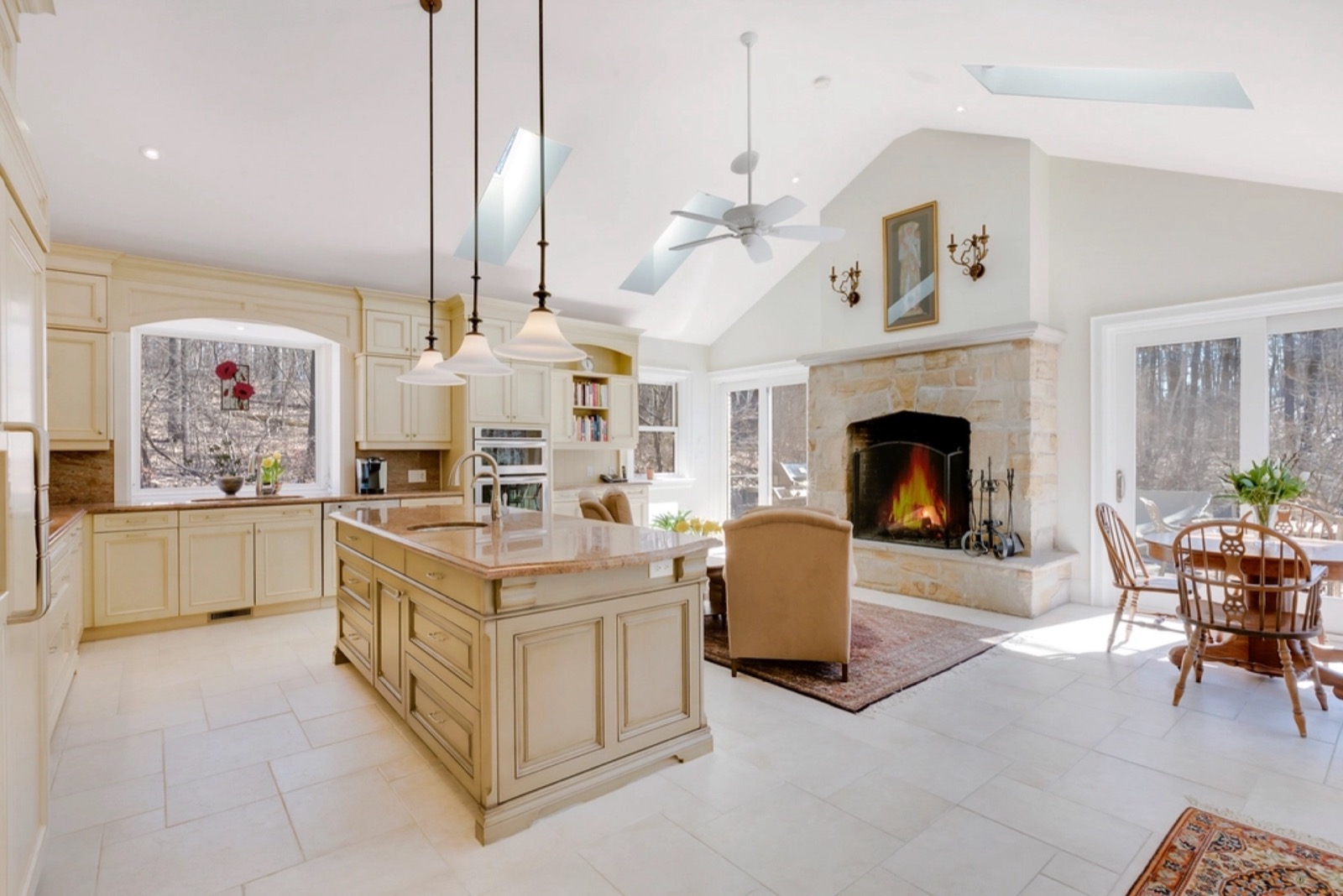
Keep in mind that high ceilings and direct sunlight affect sizing needs. A room with vaulted ceiling or south-facing windows may need a step up in BTU capacity to achieve the comfort you're after.

DIY vs Pro Install: Which Is More Affordable Long Term?
Installation can sometimes cost as much as the mini split unit itself. That means the DIY versus professional decision has a huge impact on what you actually pay.
Mini split systems are often categorized by installation type: traditional flare-based systems and DIY-friendly pre-charged kits.
- DIY-friendly systems: Brands like MRCOOL's DIY 5th Gen series come with pre-charged QuickConnect line sets that eliminate the need for vacuum pumps and refrigerant handling. This can save $500–$1,500 on labor.
- Extra DIY costs to keep in mind: wall brackets, electrical disconnect and breaker work, basic tools, and possible permit fees. Electrical work often still requires a licensed professional to meet local code.
- Professional installation: Typical labor in 2026 runs $800–$2,500+ depending on line set length, electrical panel upgrades, and complexity. The benefits include correct refrigerant handling, warranty protection, and optimal placement of both indoor and outdoor parts.
Get at least 2–3 written quotes and ask specifically about extra charges - electrical work, concrete pad for the outdoor unit, extended line sets, and delivery fees - so the true cost of your install is clear before you add anything to your cart.
Energy Efficiency: How SEER2 Impacts "Affordable"
Starting in January 2023, the U.S. shifted to SEER2, EER2, and HSPF2 testing standards. These ratings come from standardized test procedures that measure heating and cooling performance, energy use, and how well a system maintains target indoor temperatures. By 2026, virtually all new mini split models carry these updated ratings, so understanding them is essential.
- Systems with higher SEER2 ratings generally offer lower electricity usage because the unit is test-rated for energy use and temperature control under standardized cooling conditions. A unit rated 20–22 SEER2 can cut summer energy use by 20–40% compared to older 14–15 SEER systems.
- For a typical 12,000 BTU unit running a few hundred hours per season, a 3–4 point SEER2 jump can save tens to low hundreds of dollars per year, depending on local kWh rates. Over 10 years, that adds up.
- Don't chase the absolute highest SEER2 if the price premium is large. The sweet spot for energy efficiency is generally 19–22 SEER2, where you achieve meaningful savings without paying a lot more upfront. Budget mini split systems can have a SEER2 rating from 19 to 24, giving you a wide variety to choose from.
- Many budget mini split systems utilize inverter technology for better energy efficiency. These variable-speed compressors ramp up and down rather than cycling on and off, which means the system is designed to run for long periods efficiently while providing quiet, consistent comfort.
Brand-by-Brand: Budget-Friendly Mini Split Lines to Know
Here are the concrete brand lines commonly priced in the affordable segment as of 2026. This isn't a full catalog - think of it as a starting place for your research.
- MRCOOL Advantage 5th Gen and DIY 5th Gen: Known for couponable online pricing and pre-charged line sets on the DIY models. SEER2 ratings above 20 in many 9K–12K BTU options. The DIY line uses R-454B refrigerant with lower environmental impact. A great type of system if you want to handle your own install.
- Senville LETO Series: Often among the lowest everyday prices on Amazon and big-box sites, with 9,000–18,000 BTU models frequently discounted. Budget-friendly mini split systems can provide quiet operation often below 42 dB, and the LETO delivers on that. You can sort a z alphabetically or by selling alphabetically on most retail sites to find it quickly, or filter z a price from high to low date to surface clearance models.
- DELLA Motto and Umbra Series: Multiple capacity options from 9,100 to 23,000 BTU that stay under roughly $1,500. These target cost-conscious homeowners needing both floor-to-ceiling coverage and reliable heating. Affordable ductless mini split systems offer efficient heating and cooling for small spaces, and DELLA's lineup reflects that.
- Mirage Polaris: Mid-budget ductless mini splits around 19–21 SEER2 that sometimes undercut premium Japanese brands while keeping decent reliability and warranty support.
Be cautious with extremely cheap, no-name imports. If the brand lacks AHRI certification, a domestic support network, and accessible parts, you may end up paying more in the long run. Check email support responsiveness and warranty terms before you buy.
How to Find the Best Deals on Ductless Mini Splits
Affordability isn't just about what you buy - it's about when and how you shop for it.
- Watch for off-season sales in late September through November and late winter. Retailers clear summer stock during these windows, and discounts of 10–30% are common.
- Use price filters and sort-by-price tools on major retailers to surface the lowest-cost options. Look for tags like "Save 21%" or "Clearance" to spot deals that are in stock and ready for delivery.
- Previous-year models with slightly lower SEER2 that are being closed out often carry large markdowns. These are still excellent units - just not the newest date on the shelf.
- Check local and federal incentives. As of 2026, many U.S. utilities still offer rebates for high-efficiency heat pump mini splits, often $200–$1,000 depending on capacity and efficiency. The federal Inflation Reduction Act tax credit can cover up to 30% of qualifying equipment and installation costs. Use your ZIP code on utility websites to confirm current offers.
- Factor in shipping, required accessories like line sets and brackets, condensate pumps, and any extended protection plan before deciding which option is the true most affordable mini split for your situation.

When a Mini Split Is (and Isn't) the Most Affordable Choice
Ductless mini splits are often the most economical path to comfort - but not always. Here's how to tell.
A mini split is usually the most affordable when:
- Your home or addition lacks existing ductwork. Installing new ducts for central AC can cost thousands, and cooled air losses account for about 30% of central AC energy consumption. Mini splits are more energy efficient than central air systems because they eliminate those duct losses entirely.
- You have a single room that's always too hot or cold - a bonus room, garage, sunroom, or finished basement. A small 9,000–12,000 BTU unit solves the problem with minimal fuss.
- You're upgrading from older baseboard heaters or window AC in a climate with hot summers and mild-to-moderate winters. The efficiency gains pay back quickly, making this a place where a mini split truly shines.
A mini split may not be the cheapest when:
- You're in a short-term rental or a space you'll occupy for less than 1–3 years. A low-cost window unit might be more economical given the shorter timeframe and zero installation costs.
- The room is very small or rarely used. If you won't be running it enough to recoup the install cost, the investment is hard to justify.
Calculate your total cost over at least 5 years - equipment, install, electricity, and maintenance - before deciding which "affordable" solution is truly best for your home.
Start by sizing your room correctly, then time your purchase during off-season sales for the deepest discounts. With the right plan, the right models, and a little patience, you can keep your home comfortable year-round without quietly draining your bank account. Thanks for reading - now go find your deal.