
How to Protect a Mini Split from Snow: Builder's Cold-Climate Guide
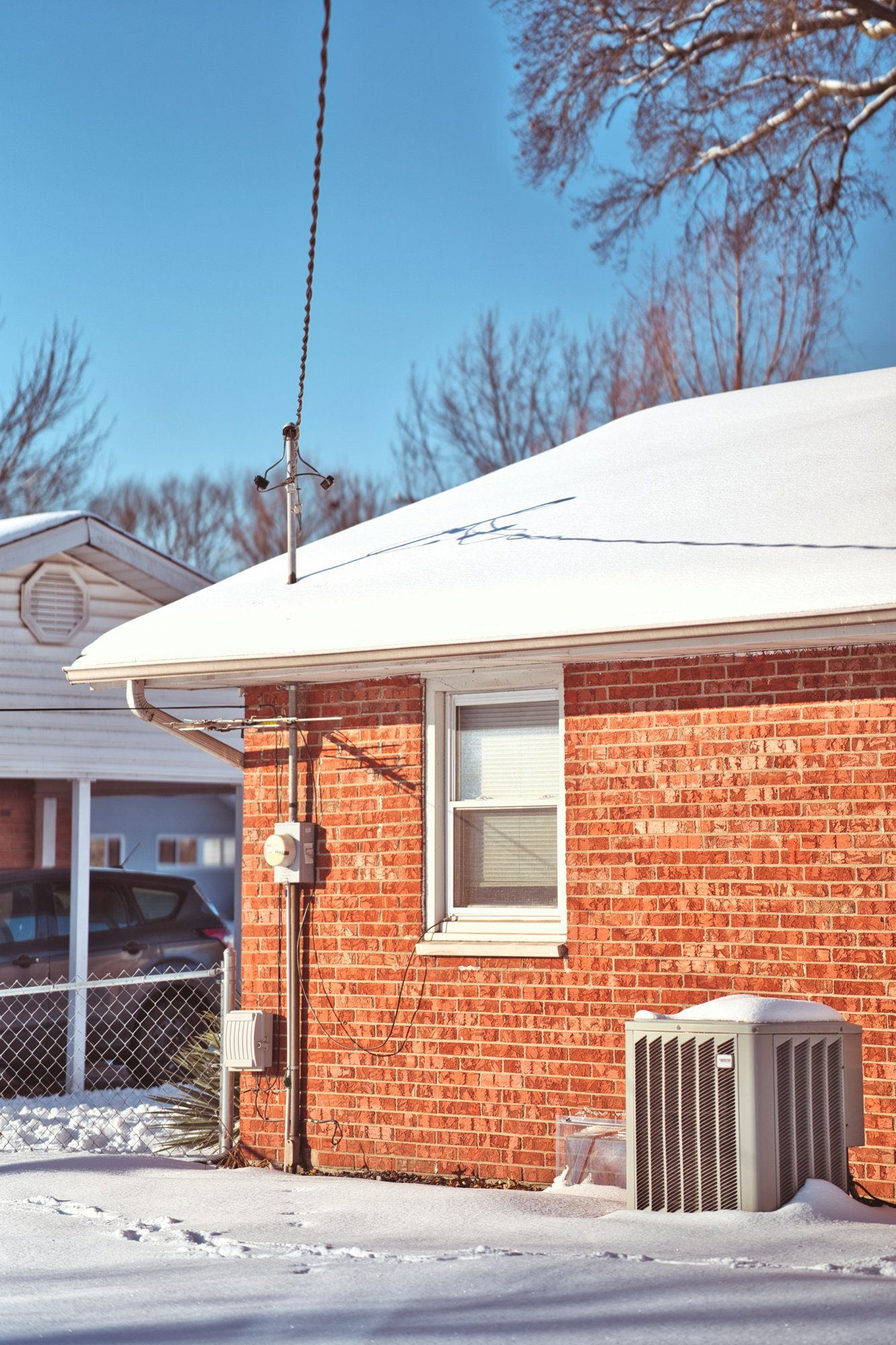
I'm a builder in Boise, and every winter I get calls from homeowners whose mini split outdoor unit is buried under a snowbank or locked in ice. Here's what I tell them, and what I wish they'd known before that first storm hit.
Key Takeaways
-
Mini split outdoor units are built to withstand rain, wind and extreme temperatures, but they are not built to sit inside a pile of snow. Deep snow and snow that piles up can block airflow and damage components.
-
The main things that help are proper mounting height, a well-designed snow roof, good drainage around the base, and regular snow clearing with the right tools.
-
Boise gets an average of 17.6 inches of snow per year (1991-2020 data), which is a small amount. But snow that piles up against a north wall or fence can bury a unit that is low to the ground in one event.
Snow and Mini Split Outdoor Units
Your outside unit is rated for weather and it handles rain, sun and wind without any complaint. What it might not be able to handle is being packed inside a pile of snow or coated in a shell of ice that has frozen again. Snow and ice can prevent outdoor units from operating safely once the snow or ice builds up to the coil or fan.
When snow blocks the coil, the system may have to run longer and harder to pull heat from the air. It can work harder than it needs to, which spikes electrical demand and speeds up wear. Without proper airflow, defrost cycles increase and net heating output drops.
Common winter problems I see on job sites:
-
Fan blades hitting pieces of ice that formed inside the cabinet
-
Fins bent by you chipping at ice with a shovel or screwdriver. Those fins are often less than 1 mm in thickness
-
Ice buildup can damage the coils and fins in an HVAC system, blocking airflow between them
-
Heavy snow can lead to failure of the fan motor in HVAC units, and ice can damage compressors by causing overheating
-
Moisture that freezes around electrical components can cause short circuits
-
Snowdrifts packing into the bottom of the cabinet where snow that melted refreezes
Normal frost on coils is thin and happens from time to time. Your mini split's defrost cycle handles it on its own. Severe ice, or an outdoor unit that is buried by a drift, is a different matter. Defrost cannot get past a pile of snow. Consistent exposure to ice leads to more repairs and heavy snow and ice can shorten the lifespan of an HVAC system.
While Boise only gets an average of 17.6 inches of snow a year, snow that piles up against a north wall can bury an outdoor AC unit that is mounted low in one bad storm. That sort of accumulation matters.
Mounting Height and Location to Avoid Snow
Elevating the outdoor condenser 12 to 24 inches above the ground prevents snow accumulation around the base. In snow country, I aim for at least 12 to 18 inches above the expected snow line for the unit base. You also need at least 2 to 3 feet of clearance around it so air can move.
Ground pads work fine in many Boise yards where grade slopes away and there's no plow pile or drifting. Wall brackets or taller stands are safer where drifting is common. The heat pump needs unobstructed airflow to function efficiently in winter, so don't crowd the unit against a fence.
Siting tips that save headaches:
-
Avoid installing below roof valleys or steep metal roofs that shed snow and ice directly onto the unit
-
Keep the outdoor unit away from gutter downspouts that dump water that can freeze again
-
Pick a spot under a gable end, not under the drip line of an eave
-
Watch for shade on north walls. Snow stays there longer
In tight Boise ADU or addition projects, planning where to put things is critical. The city released 8 free pre-approved ADU plans from 280 to 695 sq ft in March 2026, and many homeowners are thinking about where to put the outdoor unit as they draw up their build. Deciding now, during design, is far cheaper than moving the unit to a new spot after framing is complete.
Designing a Snow Roof or Mini Split Shelter
A snow roof is a small, rigid cover that is installed above the outdoor unit. Its job is to keep vertical snow and roof slides off while leaving sides open for air intake. Installing a protective hood or awning that shields the unit from falling snow and ice.
Design rules I follow:
-
Never block airflow on sides or back. Leave those open for intake and service access
-
Keep at least 12 to 18 inches of vertical clearance above the top of the outdoor unit
-
Pitch the roof between 6:12 and 12:12 so snow slides off. With a flat roof, you're just holding a load of wet snow
-
Use pressure-treated lumber posts with a shed-style metal roof, or steel brackets screwed into house framing. Avoid weak plastic covers that collapse under wet Idaho snow
Do not fully close in an outdoor unit in a box or shed unless an HVAC designer has sized vent openings. Most DIY enclosures cause the unit to pull in its own warm discharge air: the unit pulls in its own warm discharge air, which hurts performance and can void the warranty.
Day-to-Day Snow Management Around a Mini Split
Safe clearing tools and methods:
-
Use a soft broom or brush to sweep snow off the top and sides
-
Use a plastic shovel to clear snow several feet away from the cabinet
-
Avoid using sharp tools to remove ice from the coils as this may cause other damage
-
Regularly clear snow from your outdoor HVAC unit during storms to prevent too much accumulated snow from blocking the unit's air intake and discharge
Target clearances: keep at least 2 to 3 feet of clear space on all sides and 4 to 5 feet above the unit so piles of snow don't lean in and block the vents.
Power safety: shut power off at the disconnect before any attempt to reach inside the grille. Never pour hot water on coils. Thermal shock can crack pipe connections, and the water will freeze again into a worse ice block.
Keeping the unit powered during cold weather ensures it can perform its periodic defrost cycles, which melt frost and drain water. Don't kill the breaker just because it's snowing. The system is intended to run.
Drainage, Ice and Roof Runoff Control
Melted snow is just as dangerous as fresh snow once it freezes again around the base of your outdoor unit. Checking drainage paths on a regular basis helps to prevent ice buildup around the base.
What good drainage looks like:
-
Soil or gravel pad sloped at 2 to 3 percent away from the unit so snow that melted drains and doesn't pool
-
Crushed gravel beds or raised composite pads work well in flat Boise yards that form puddles after warm spells
-
Extend downspouts so they do not dump rain or snow that melted over or behind the outdoor unit. Prevent icicles from forming above fan openings
-
If ice regularly locks the base to the ground, or you see standing water frozen around anchor bolts, rework the drainage in spring with a landscaper or builder
When Your Heat Pump Ices Up
Warning signs: loud noise from the fan hitting ice, the unit shutting off on safety, steam from defrost cycles that keep happening without improving heat output, or the cabinet buried in snow where you can see it. Accumulated snow and ice restrict airflow to HVAC units and ice buildup can cause physical damage to HVAC coils.
-
Turn the system off at the thermostat or disconnect
-
Gently clear snow from the front (fan side), sides, back and underneath the unit. Do not break or bend anything
-
Restore power and watch for normal operation: fan turning freely, defrost cycles completing, heat output returning
When to stop and call a pro: if fan blades are bent, copper lines are exposed or kinked, the breaker keeps tripping or ice is bonded hard to the coil. Snow and ice can damage HVAC fins and coils beyond what a brush can fix.
In cases that are close to the line, use backup heat for the night. That could be a gas furnace, electric baseboards or a fireplace. That's a better discussion to have than whether to replace a cracked compressor.
What Not to Do to Protect a Mini Split from Snow
A few ideas that sound reasonable but lead to worse problems:
-
Do not wrap the outdoor unit in tarps or plastic. A tarp is not suitable for covering HVAC units. It traps moisture, blocks airflow and can make the unit overheat during defrost. Use breathable covers if you cover anything, and covers should fit properly to allow airflow around vents.
-
Do not use full winter covers intended for a traditional air conditioner that's off for the season. A running heat pump needs airflow all year, including winter. Those covers are built for a complete shutdown, not active heating.
-
Do not pour hot water on coils or fan blades. Thermal shock can crack tubing. The water freezes again into a thicker ice block.
-
Do not spray rock salt, de-icer chemicals or ice melt directly on the outdoor unit or coil fins. Corrosion follows, and that sort of chemical contact can void your warranty. Keep de-icer on paths, several feet away.
When to Call a Pro in Boise
Scenarios where a professional is the right move:
-
Icing happens every winter despite good snow management
-
You want to move a low outdoor unit to a wall bracket or higher stand
-
You need a structural snow roof tied into house framing
-
Drainage around the base is poor and needs to be regraded
In Boise's climate, we most often help you raise outdoor units on better stands, add small metal roofs and re-route downspouts. A complete enclosure is rarely the right address for the problem.
If you're planning a renovation or new ADU, including Boise's free pre-approved plans, decide on outdoor unit placement during design. It is the cheapest phase to make changes.
HVAC units need proper maintenance to avoid warranty issues. While Idaho Code 54-5205 lets owners work on their own residential property, refrigeration and electrical work on a mini split outdoor unit is still best left to a licensed HVAC and electrical contractor for safety and warranty coverage. Protecting mini split outdoor units in winter enhances system efficiency and lifespan when the work is done right.
FAQ About Protecting Mini Splits from Snow
Can I run my heat pump while clearing snow off it?
Brushing loose snow off the top and sides with a soft brush is fine while the system is running. Anything that involves reaching into the grille or near the fan should be done with power off at the disconnect. If you're working close enough to touch the fan, electrical panel or coil, stop the thermostat and shut the breaker first.
How high should a mini split be in snow country?
Aim for the base of the outdoor unit to be at least 12 to 18 inches above typical snow depth in your yard, higher in areas with plow piles or snow that piles up. HVAC installers near you in mountain towns or exposed lots often recommend more clearance than in protected Boise subdivisions. In a spot like NY or Florida the thinking is different, but for Idaho, 18 inches is a safe starting point.
Is it okay to build a shed around my outdoor AC or heat pump?
Fully closing in an outdoor unit like a shed usually causes airflow and service-access problems unless an HVAC designer sizes vents and clearances for that specific team of equipment. A better approach is a roof above with open sides, or a lattice-style screen with at least 2 to 3 feet of clearance on all sides for intake and maintenance.
Will a south-facing solar cover help my mini split in cold climates?
A clear, south-facing roof can bump the ambient temperature around the outdoor unit a few degrees on sunny winter days, improving performance slightly. But the design must prevent overheating on warm days and keep the back and sides open to fresh air. Direct sunlight through a sealed enclosure in summer will cook the equipment. Done carefully, it's a benefit. Done without care, it creates a bigger problem than the one you set out to sort.