
Mini Split Condenser Clearance From a Fence (Builder's Guide)
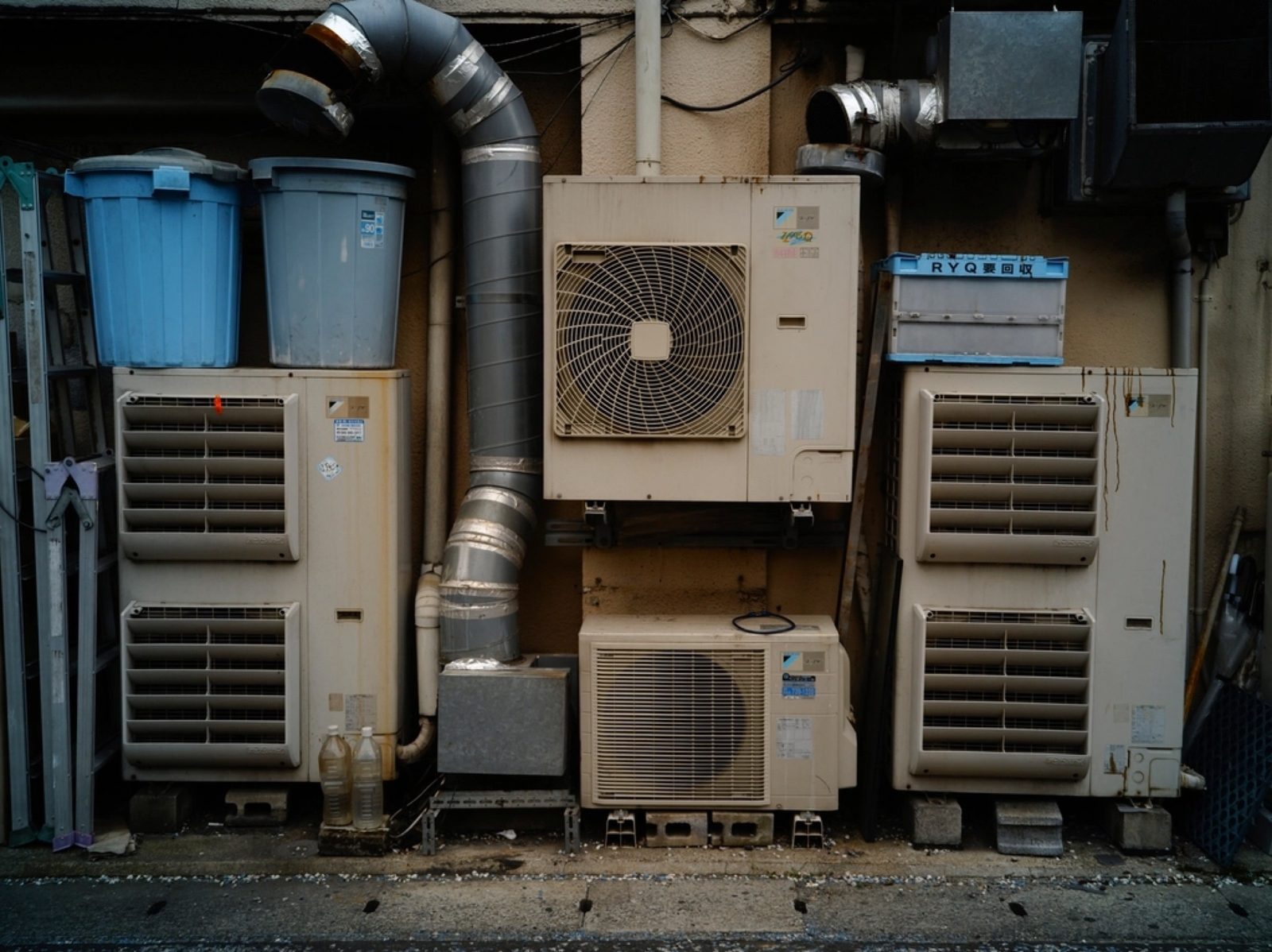
Mini split condenser clearance from fence is something people ask me about at least once a week here in Boise. You put up a privacy fence, then find out the outdoor unit is shut in and running hot, or you're planning a new mini split system and want to know how close the fence can sit. This is what I've learned from building and working with HVAC subs across the Treasure Valley.
Key Takeaways
-
Most mini split outdoor units have at least 12 to 24 inches of side clearance from a fence, and 24 to 36 inches on the service side. You can't go tighter than the manufacturer's spec.
-
Solid privacy fences are the worst for air circulation, so leave 24 to 36 inches or switch to a slatted "good neighbor" fence so hot discharge air can get out. Restricted airflow can increase energy bills by about 15%.
-
In Boise and the Treasure Valley, set the bottom of the condenser 12 to 18 inches above finished grade so it stays above snow, and so it stays above mulch, and so it stays above weeds.
-
Too little clearance makes the mini split work hotter, and it cuts the life of the compressor short, and it can void the equipment warranty and utility rebates. Putting the condenser in the right place will help it last longer and will make it more reliable.
How Much Clearance From a Fence Does a Mini Split Condenser Really Need?
Here's how the numbers break down:
-
Back and side space should be a minimum of 12 to 24 inches from any solid barrier. Some brands let you have as little as 4 inches to an exterior wall on the rear intake side, but a fence is not a wall. Fences trap hot air in ways a flat wall surface does not. That's because you often have a fence on one side and a wall on the other. That creates a channel.
-
Front clearance for air discharge should be 24 to 36 inches. That is the fan side, where the unit pushes hot air out. Outdoor units have to have at least 12 inches of clearance on the intake side, but the discharge side needs more room.
-
Service access on the panel side, where the electrical disconnect and refrigerant ports are, needs 24 to 36 inches so a tech can actually get in there and work. Technicians have to have enough space for safe maintenance and repairs on mini split systems.
-
The exact number depends on your brand, and it depends on your BTU capacity. It depends on what kind of fence you're dealing with. A wall unit with 6,000 BTU has different specs than an outdoor unit with 36,000 BTU that runs multiple zones.
Why Clearance From a Fence Matters for Your Mini Split System
When airflow is obstructed, the operating temperatures inside the compressor get higher. The pressures inside the compressor get higher. Here's what you usually notice when fence clearance is too tight:
- Breaker trips or safety shutoffs on the hottest days of summer.
Long-term, restricted airflow can cause the compressor to overheat and fail early. Inadequate clearance causes overheating and increased energy consumption, and airflow restriction can reduce system efficiency by up to 15%, which means higher power bills every month the unit runs. Installing a fence too close to a condenser traps heat and limits airflow in both directions.
Clearance violations can void manufacturer warranties. Idaho Power and other utilities also expect equipment to meet manufacturer install specs, and bad placement near a fence can put rebates at risk.
Manufacturer Specs vs. Real-World Fence Layouts
Building codes around Boise generally go by the manufacturer's installation instructions for mini split clearance. They do not set one universal distance. The installation manual from the manufacturer provides specific clearance requirements for each model, so that means you need to pull out the manual for your specific unit.
Here's what you'll find in most manuals, broken into four zones:
-
Back (intake) to exterior wall: Many brands allow 4 to 12 inches. For smaller units like 6,000 BTU models, minimum wall clearance is 5.9 inches. The rear clearance spec is based on a flat wall, not a fence opposite the intake.
-
Side clearance: 12 to 24 inches depending on brand and tonnage. Minimum side clearance for 6K units is 3.9 inches on the indoor unit side, and the outdoor unit generally needs 12 inches or more per side.
-
Front (discharge): 24 to 48 inches. Trane's commercial split system manual calls for 36 inches from walls, shrubs and privacy fences, with 48 inches recommended for service panels.
-
Overhead: 48 to 60 inches above the fan discharge. Top clearance for 6,000 BTU units is 5.9 inches on the indoor unit, and the outdoor unit needs 48 to 60 inches of open air above it.
Side Clearance Between Mini Split and Fence
Side clearance is the space from the cabinet side panels to any solid object, and that includes fences and that includes sheds, and that includes decorative AC enclosures. Here's how I handle it:
-
Aim for 24 inches clear on the service side, where the electrical panel and refrigerant lines are, and 18 to 24 inches on the opposite side, even if the manual lets you have 12 inches.
-
In narrow Boise side yards that are 3 to 4 feet wide, that often means moving the mini split outdoor unit away from the property line or choosing a slatted fence style instead of solid panels.
-
Too-tight side clearance makes routine coil cleaning slower and more expensive, and it makes electrical testing slower and more expensive, and it makes fan motor replacement slower and more expensive. A tech who can't pull a panel off because a fence post is 8 inches away will charge more for the job. The job won't be done as well.
Solid or Slatted Fence for a Mini Split?
A solid fence near the outdoor unit traps hot discharge air and piles up snow drifts in winter. When we must use one, we push it to 24 to 36 inches away from the condenser. Trane's installation guide for units near solid fences needs openings or vents cut into the lower portion of the fence so discharge air isn't completely shut in.
Practical suggestions:
Fence and Snow Clearance Above and Below
- Ground clearance: Set the bottom of the unit 12 to 18 inches above finished grade. Use a concrete pad with stands or a wall mount bracket. GREE's FAQ says to place units above the typical snow line, and in Boise, snow drifts along fences can reach 12 inches easily. A minimum clearance of 5.9 inches prevents coil freeze-ups on small units, but in practice you need more height to clear snow and debris.
Planning Fences Around a New Mini Split
Here's the order I use:
- Pick the outdoor unit location on an exterior wall, and think about the route the line set takes to the indoor unit. Indoor units should be mounted about 6 feet from the floor with at least 6 inches of clearance above and from the ceiling.
Concrete fence design moves that help:
Boise and Treasure Valley Considerations
So how do our climate and lot sizes shape where you put mini split outdoor units, and how close do you bring a fence? Treasure Valley summers push into the high 90s, and in winter snow piles up along fence lines. New neighborhoods come with narrow side yards. They come with 6-foot privacy fences as a standard feature.
We set condensers 12 to 18 inches off the ground and avoid placing them at the tightest spot between two houses and their side fences. That deep, narrow channel between structures creates a wind tunnel effect in winter, and it creates a heat pocket in summer.
If a homeowner is converting from electric baseboard or an electric furnace to a ducted heat pump, Idaho Power currently offers an $800 rebate for qualifying systems that have at least 8.5 HSPF or 7.2 HSPF2, with electric supplemental heat. That rebate assumes proper installation and clearances, and a unit jammed against a fence could give an inspector reason to flag the install, and that puts that $800 at risk.
On additions and remodels, we pull permits and we coordinate with HVAC subs, and we design fence lines so both the building inspector and the utility rebate program stay satisfied.
When to DIY and When to Call a Pro
Any time you disconnect refrigerant lines, you need an EPA-certified HVAC tech with a vacuum pump and proper charging procedure. Skipping that step damages the compressor and voids the warranty. If fence adjustments alone can't get you up to the manufacturer's minimums plus breathing room, bring in an HVAC contractor or a builder to look at alternative mounting spots or wall mount brackets.
Idaho homeowners can work on their own residential property under Idaho Code 54-5205, but that exemption doesn't skip permits or code compliance. Hiring unregistered workers to do HVAC or structural fence work can still create problems.
FAQ About Mini Split Condenser Clearance and Fences
Do You Need a Permit to Move a Mini Split for Fence Clearance?
In Boise and most Treasure Valley areas, moving a mini split outdoor unit often means you need a mechanical permit. It sometimes means you need an electrical permit if wiring is extended. You can check with your local building department or work with a licensed contractor. Idaho lets owners work on their own homes, but that exemption does not skip permits or code compliance.