
Best DIY Mini Split Heat Pump for Garage Heating 2026
Are you tired of having an unusable garage in the winter? DIY mini split heat pumps have become a popular solution to get your garage temperature up in the winter and down in the summer. We'll discuss your options for a system you can install yourself reviewing price, efficiency, and more.
Quick Answer: The Best DIY Mini Split Heat Pump for a Garage in 2026
For 1 to 2 car garages our top DIY mini split heat pump for 2026 is Zone Air's 12,000 BTU DIY 115V wall mount ductless mini split heat pump system. It's the only unit on the market that can plug into a regular outlet, delivers best in 115v DIY class 23.0 SEER2 cooling efficiency and 10.0 HSPF2 Region IV heating efficiency, while operating down to -13°F.
Comparing the two best brands: MrCool vs Zone Air
- Zone Air 115V models can plug into an outlet while MRCOOL 115V units require a hard wired dedicated circuit without exception.
- Zone Air's 12K unit achieves 23.0 SEER2 and 10.0 HSPF2 while MRCOOL's comparable 12K 5th-Gen 115V unit scores about 21.2 SEER2 and 8.7 HSPF2.
- Zone Air offers fixed and custom line set lengths, so there is no coiling or extending. MRCOOL uses standard lengths with couplers for longer runs, adding joints and leak points.
- Zone Air typically earns better reviews from DIY installers, with fewer reported refrigerant leaks, ac error codes and fitting failures compared to MRCOOL's coupler based connections.
Why Mini Split Heat Pumps are Great for Garage Heating
Both detached and attached garages often lack heating and cooling altogether. Garages often require 30% to 50% more heating and cooling capacity when compared to a well insulated room inside your home. Garages loose efficiency because of concrete floors, door leaks, and in many cases lack insulation.
Advantages of mini split heat pumps vs other forms of heating for garages:
- Mini splits can heat or cool a space in as little as 5 minutes. This allows you to save energy by keeping the unit off when you're not using the space. Traditional HVAC systems require whole homes to be heated or cooled to the same temperature which for a garage is both nonsensical and inefficient.
- Compared to other forms of electric heating, mini split heat pumps can be more than twice as efficient.
- Heat pumps are safer than propane and gas heaters. Gas powered heaters combust indoors, creating carbon monoxide risk and requiring ventilation; a poor choice for garages.
- Window air conditioner are often much less efficient and lack heating capacity .
- Extending central ductwork into a garage introduces duct losses of 20% to 30%, compromises home air quality, requires enlarging the main system, and can be extremely expensive.
Mini splits require no ductwork, which makes installation cheaper and simpler. The indoor units capture dust and airborne particles through built-in filtration, improving air quality far beyond what unfiltered space heaters or makeshift airflow from the main house can deliver.
How to Choose the Right DIY Mini Split for Your Garage
- Square footage: measure your floor area, then adjust for volume if ceiling height exceeds 8 ft.
- Climate: cold weather performance matters; units rated to operate at -13°F or lower cover most northern US garages, though cold climates and extreme heat can require special considerations when choosing features or capacity.
- Insulation level: R-13 walls versus bare studs can change required BTU by 30 to 40%.
- Attached vs detached garage: a detached garage loses more heat and may need a larger unit.
- High ceilings: 10 ft or taller ceilings increase air volume and may push a 400 sq ft space from 12K to 18K BTU.
- Typical use: a parking-only garage needs less capacity than a workshop or gym where you spend hours daily.
For more on mini split sizing, you can do a free mini split sizing calculation here
Most garages only need a single zone system: one outdoor unit (condenser) and one indoor unit mounted high on a wall, with the indoor and outdoor units positioned so the line set run stays short. Voltage is a major DIY decision point. Zone Air 115V models can plug in to a standard outlet. Zone Air systems like MrCool systems ship with pre-charged R-454B line sets and quick-connect fittings, cutting installation complexity and eliminating the need for a vacuum pump, brazing, or EPA-608 certification.
What Size Mini Split Heat Pump Do You Need for a Garage?
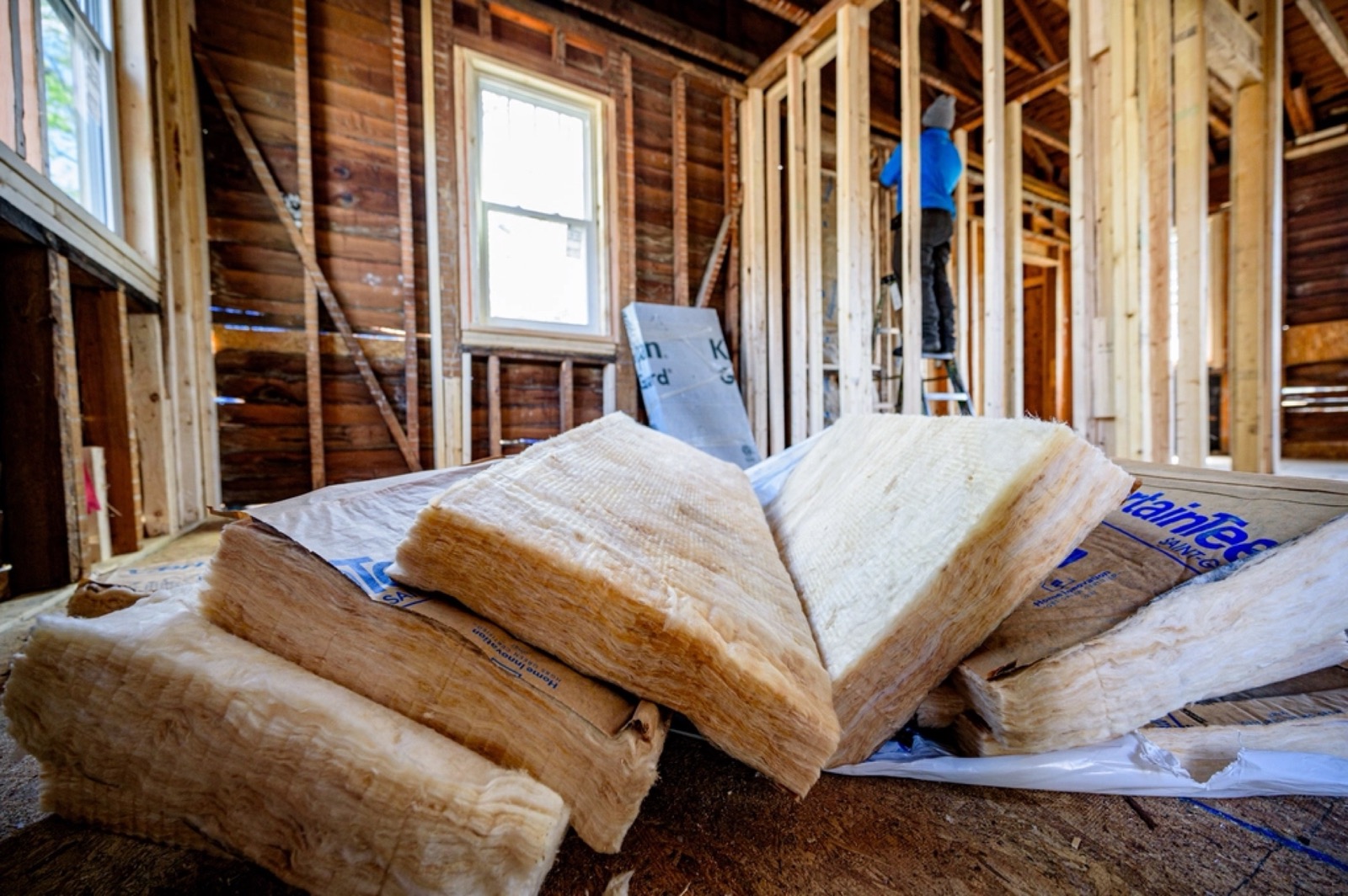
Garages require 30% to 50% more BTUs than standard rooms of the same square footage. Concrete slab heat loss, large door openings, poor insulation, and air leakage all increase the load. Plan on 20 to 25 BTU per sq ft for insulated garages, and 30 to 40 BTU per sq ft for an uninsulated garage.
- 1-car garage (200 to 300 sq ft): rough estimates suggest 9,000 to 12,000 BTUs for small garages of 200 to 400 sq ft. An insulated space can get by at 9K; uninsulated or detached needs 12K.
- Standard 2-car garage (400 to 500 sq ft): a standard two-car garage needs 12,000 to 18,000 BTUs. Well-insulated falls at 12K; poor insulation or a cold climate pushes to 18K.
- Large three car garage or shop (700 to 900 sq ft): 18,000 to 24,000 BTU insulated. Large uninsulated garages might require mini split units over 18,000 BTUs for effective heating.
An undersized unit will run constantly and fail to cool or heat effectively during extreme temperatures. An oversized unit will short cycle, wasting energy and failing to dehumidify in humid climates. Sizing for mini splits should consider garage insulation and capacity needs in BTUs above all else.
Key Efficiency and Performance Ratings (SEER2, HSPF2, and Cold Weather Operation)
Efficiency ratings drive long-term operating costs. A heat pump garage mini split with higher ratings translates directly into lower energy bills over 10 to 20 years of service.
- SEER2 ratings measure cooling efficiency in mini splits, expressing how much cooling output per unit of energy across an entire season (the air conditioner mode). A SEER2 rating of at least 17 is recommended for garages. Higher SEER2 ratings lead to lower long-term energy costs.
- HSPF2 ratings measure heating efficiency in mini splits, using the same seasonal approach for heating mode. Target HSPF2 of 9 or above for a 2026 install.
- Zone Air's 12K 115V unit delivers 23.0 SEER2 and 10.0 HSPF2 (Region IV). MRCOOL's comparable 12K 5th-Gen 115V scores 21.2 SEER2 and 8.7 HSPF2.
- Units intended for severe cold can function effectively in temperatures as low as -13°F. Some mini splits can operate effectively down to -22°F in premium cold-climate configurations.
- Low-ambient heating performance is crucial for heat pumps in colder climates. For cold-climate performance, select heat pumps that efficiently operate at low temperatures.
Opt for units with high SEER and HSPF ratings for better energy efficiency in garages, especially when the space serves as a daily workshop or gym. Mini splits can be 30 to 50% more efficient than traditional units, providing superior energy efficiency and precise temperature control.

Electrical Requirements: 115V vs 230V for DIY Garage Mini Splits
Electrical setup is often the biggest barrier for a DIYer and can affect the final price of the entire project. Mini splits typically require a dedicated electrical circuit, and the voltage choice determines whether you can handle it yourself or need a licensed electrician.
- Zone Air's 9K and 12K BTU 115V models need a single-pole 15A breaker and can plug into a standard outlet. MRCOOL's 115V units usually still require permanent hard-wiring with no plug-kit option.
- For garages up to about 500 sq ft with reasonable insulation, a 115V plug-in unit (9,000 to 12,000 BTU) handles the load. Larger 18,000 to 24,000 BTU setups for a bigger car garage or uninsulated space need 230V and a dedicated double-pole breaker.
- Using a plug-in 115V Zone Air system avoids the cost of hiring an electrician for a new 230V circuit. That alone can save $200 to $800 depending on the run length from the electrical panel.
- Check breaker capacity before install. Avoid circuits shared with EV chargers, air compressors, or large power tools. Proper electrical installation protocols are critical for mini split systems, including dedicated circuits and breaker sizes.
Electrical requirements for mini-split units vary between 115V and 230V depending on capacity, so match your ductless system to your garage's existing wiring whenever possible.
DIY Installation Overview for a Garage Mini Split Heat Pump
Local codes and the manufacturer's manual take priority over any guide. Hire licensed professionals for any electrical or refrigerant work you are not comfortable performing. A DIY mini split heat pump often requires careful planning for efficient installation, and these are practical installation tips for a garage setup.
- Plan layout: choose the indoor unit wall, outdoor condenser location, line set route, and electrical run before drilling anything. Installation Tips include picking a route that stays serviceable and avoids unnecessary bends.
- Mount the indoor unit bracket level on an exterior wall, at least 7 ft above the floor.
- Drill a small hole (about 3 to 3.5 inches) through the wall at a slight downward slope for the condensate drain line and refrigerant lines.
- Route the custom-length Zone Air line set from indoor to outdoor unit. Avoid sharp bends (minimum 4-inch radius). Keep line sets short for better energy efficiency.
- Mount the outdoor unit on a concrete pad or wall bracket with at least 24 to 36 inches of front clearance.
- Connect electrical per manual, set breaker, test both heating and cooling modes.
Systems marketed as "true DIY" use pre-charged lines and quick-connect fittings. Zone Air's pre-charged R-454B line sets eliminate the need for a vacuum pump, manifold gauges, or brazing. Traditional mini split systems often require vacuuming and complex refrigerant handling during installation. Pre-charged DIY mini split systems eliminate the need for HVAC certification and complex tools, reducing installation complexity to basic mechanical and electrical skills.
Realistic Garage Mini Split Cost Breakdown (2024 to 2026)
Cost depends on DIY vs. pro install, unit size, and voltage. Here are approximate 2026 ranges.
Equipment only (Zone Air list prices):
- 9,000 BTU 115V wall mount: approximately $1,900
- 12,000 BTU 115V wall mount: approximately $2,000
- 18,000 BTU 230V wall mount: approximately $2,600
Total DIY project cost (equipment plus pad, brackets, disconnect, line hide):
- 1-car attached garage with 9K BTU: $1,800 to $2,200
- Two car garages with 12K BTU: $1,800 to $2,500
Professional installation for similar garages runs $2,500 to $5,000 in most US markets. Angi reports 2026 averages around $3,500, ranging from $2,000 to $9,200 for complex jobs.
Potential savings: utility rebates for high-efficiency heat pumps, federal tax incentives, and lower monthly energy bills compared with electric resistance heaters make the ductless heating investment pay back faster. Consistent temperatures in the garage also protects stored tools and finishes from extreme temperatures and humidity.
Common Mistakes to Avoid When Installing a Garage Mini Split
Avoid these mistakes when purchasing and installing a unit:
- Sizing with charts made for interior rooms (20 BTU/sq ft) without adding 30 to 50% for garage door leakage and concrete floors. This often leads to undersizing, which means your unit will struggle in extreme hot/cold.
- Ignoring poor insulation or a leaky garage door wastes capacity. Air leakage in garages can impact heating performance, making insulation improvements essential before or during install.
- Placing the indoor unit in a low corner or over a workbench blocks airflow and fills the filter with sawdust in weeks.
- Routing excessively long coiled line sets (common with MRCOOL DIY kits that ship standard lengths) traps oil, increases pressure losses, and raises failure rates. Zone Air's custom lengths eliminate this issue.
- Overloading existing circuits, using extension cords, or skipping a proper disconnect near the outdoor unit are electrical mistakes that create fire risk.
- Kinking the line set or failing to torque quick-connect fittings to spec causes refrigerant leaks. Zone Air's connection design and factory pre-charge reduce these leak risks.
- Neglecting maintenance: in dusty woodworking garages, clean filters every 4 to 6 weeks. Clear snow and debris from the outdoor unit's coil each season.

Why Zone Air Is the Best Choice for a DIY Garage Mini Split Heat Pump
- Zone Air offers true DIY 115V models that plug into an outlet (the only brand on the market to do so). MRCOOL's 115V systems need permanent wiring.
- Zone Air's DIY units are more efficient at 23.0 SEER2 vs. MRCOOL's 21.2 SEER2 in the same size class. The higher seasonal energy efficiency ratio translates into lower heating and cooling costs in the long run.
- Custom line set lengths on Zone Air systems mean no excess line coiled behind the condenser, fewer fittings, and less long term issues. Zone Air's custom line-sets reduce failure rates compared to MRCOOL's line-set extensions.
- Zone Air offers a 7-year compressor and 5-year parts warranty that applies even to DIY installs done within spec. MRCOOL's extended warranty programs often require professional installation.
- Zone Air has significantly better customer reviews than MrCool. Zone Air averages 4.8/5 stars and MrCool 3.2/5 stars.
DIY Garage Mini Split Heat Pump FAQs
Can one mini split heat and cool my entire 2-car garage?
Yes. A single zone system with 12,000 to 18,000 BTU provides year round comfort for a 400 to 500 sq ft attached garage with average insulation.
Is a 115V plug-in unit powerful enough for my climate?
For cold climates where temps rarely drop below -10°F, a 115V 12K unit is a great choice. Regions with cold temps below -20°F may need a 230v cold-climate rated model.
Will a mini split improve my garage air quality?
Yes. Mini splits improve air quality by capturing airborne particles through washable filters rated around MERV 8 to 11. This handles dust, pollen, and workshop particulates.
How often do I need to clean filters in a dusty workshop?
Monthly if used regularly, or a few times a year if used rarely.
How long does a garage mini split last?
With proper installation and maintenance, expect 15 to 20 years.
Does a detached garage need different equipment?
No, you can use the same mini split system hardware, but pay closer attention to cold weather capacity ratings, line set length, and electrical run distance.
Should I extend my central system into the garage instead?
In most cases, no. Extending central ductwork can add 20 to 30% in duct losses and can pull vehicle exhaust or workshop fumes into your home. Not only this, extending ductwork is often very costly and almost always required a licensed HVAC technician. A dedicated garage mini split sized to your square footage gives better climate control, better air quality, and lower costs.